Supporting Body Diversity in Aerial Arts with an Adaptable Teaching Approach - Working with Different Body Types & Physiology
- Sara | WakefulAscent

- Apr 6
- 4 min read
Part of the joy of teaching aerial arts is troubleshooting with students. Aerial class brings us a beautiful diversity of attentional styles, body types, and personalities that keeps us engaged and learning as coaches.
But, it's also one of the most common insecurities amongst aerial teachers - how do I teach bodies that are different from mine?
As part of creating a welcoming learning environment for all, we as teachers can take specific steps to welcome and support the diversity of students - and cueing differently based on unique differences is a big part of that.
Note: Body Diversity in Aerial Arts Goes Beyond Body Types
When we talk about body diversity, it’s often framed visually - weight, shape, height, limb length, proportions, and these are important to consider when working with our students.
But in aerial, there are also important differences that aren't always visible:
Muscle composition (slow twitch fast twitch, endurance, muscle group dominance)
Connective tissue (hypermobility, stiffness, stability, age)
Motor control baseline
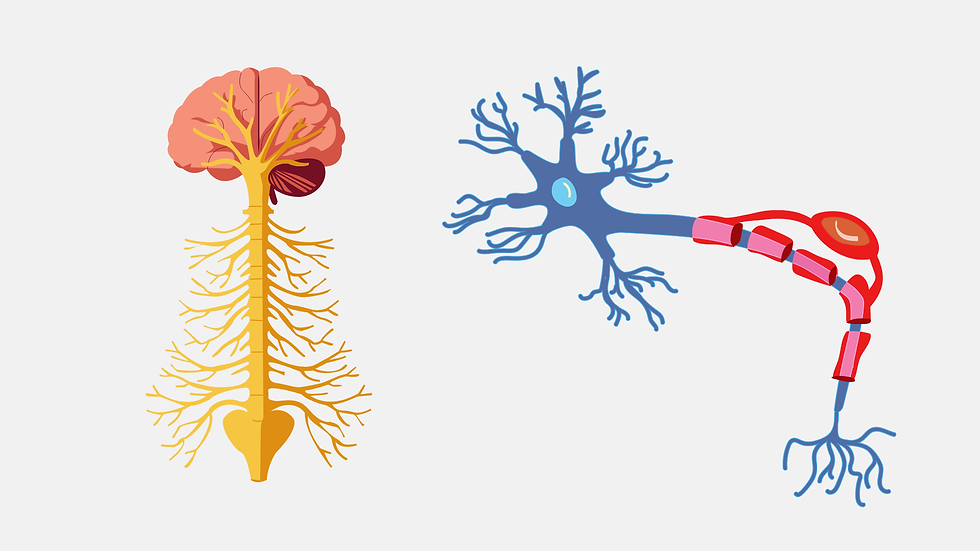
Neural connections, myelinated nerve pathways
Injury histories & protective patterns
Nervous system patterns
Proprioception (body awareness)
Vestibular processing (spins, inversions, balance)
Joint shape
Pain signaling and tolerance
Hormone balance
Circulatory, respiratory, and digestive conditions
and more
These factors directly affect how a skill feels and how it’s learned. So keep this in mind when considering your students' different needs - they aren't always visible.
How do you work with bodies different from yours?
A teacher will, by default, teach based on their own physical experience. To expand beyond that, the teacher has to observe different bodies, analyze and troubleshoot in the moment, imagine, ask, experiment, and reorganize their instruction based on the unique needs in the room. A teacher cannot inhabit the body of someone else, so it is often most effective to collaboratively troubleshoot with students. "Does this work?" "What if you try this?" "How does this feel?" "Can you describe where you're feeling this (imbalance, strain, collapse, etc.) is coming from?" Many teachers feel insecure because they worry they won't be able to support bodies that are different from theirs. This concern is reasonable, but a teacher cannot and will not be able to account for every difference automatically. This becomes a discovery process supported by conversations, experiments, and specialized trainings that provide unique insights into body diversity in aerial arts (I loved GingerSnapBurlesque's "Teaching Plus Size Aerial Students" workshop). The important thing is not to apply cues universally and expect it to work. Some students need different apparatus placement, more or less engagement, modifications, or simply alternatives - just for now or permanently. The teacher can be mindful not to create implicit hierarchies that bodies fall into - "This is the full skill, this is a less complete version." (Try instead, "Here is version A, here is version B, they are equally valid, choose the one you prefer). This brings us back to the joy of teaching, which is problem-solving and working with the unique challenges of the moment.
What an Adaptable Teaching Approach Looks Like
Supporting body diversity means critical thinking, creativity, and sometimes, improvisation.
An adaptable teacher:
Listens to and responds to students individual needs (within reasonable time constraints in group classes)
Opening conversations with the student to troubleshoot together
Offers more than one way to do a skill or offers alternatives/progressions
Changes cues based on what they observe
Adjusts pacing, setup, or pathway as needed
Allows the student to explore independently (when safe to do so)
Remember that the best cue isn't the most perfectly phrased one...it's the one that works for that student in that moment.
Supporting Body Diversity in Aerial Arts
Aerial is complex. Bodies are complex and constantly changing.
When we expand our understanding of body diversity and teach accordingly, we better support our students, make our classes welcoming spaces, and get smarter and clearer in our teaching. Don't expect yourself to know everything. If you see a workshop that will help you understand bodies that are different from yours, great - take it. But don't let fear of not knowing how to help stop you from trying. Use your skills of observation, analysis, and creative problem-solving to work with students. Be open to learning as you go, be honest about the limits of your knowledge. Have conversations with students. Find out what works. Inside the BLOOM Aerial Teacher Training, we go deeper into all of this.

We explore body diversity in aerial from a practical, applied perspective, looking at common challenges that show up in real classes, and why they happen. We learn about hypermobility, protective patterns, nervous system dynamics, ageing bodies, fascia, connective tissue, center of gravity, pain tolerance, and more.
We talk openly about our own physical differences and experiences, and what we’ve each found works in our bodies.
And most importantly, we train troubleshooting and problem-solving as skills in and of themselves,
so you’re not relying on memorized cues or fixed progressions, but learning how to adapt so you can support whoever walks into your class.
Because great teaching isn’t about having all the answers now.
It’s about being willing to find them.

Sign up for a free training on the Hidden Gaps of Aerial Teaching and find out how the BLOOM Aerial Teaching Framework closes those gaps.